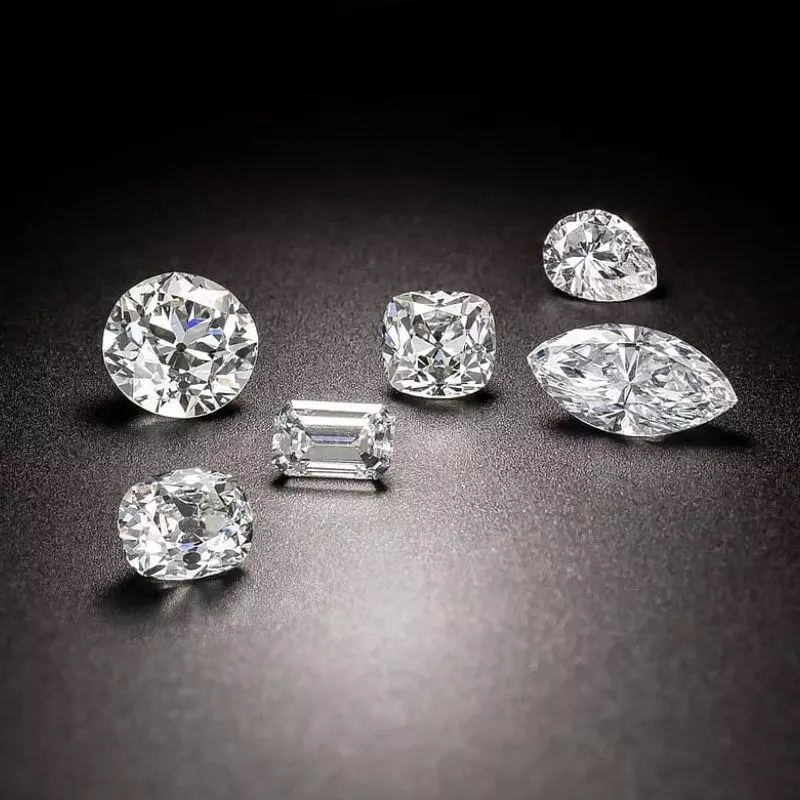

Diamonds are widely known for their beauty and value in the jewelry industry, but their applications extend far beyond adornment. As the hardest natural material on Earth, diamonds possess unique physical and chemical properties that make them indispensable in various industrial, technological, and scientific fields. From cutting tools to advanced electronics, diamonds play a crucial role in modern innovation. This article explores the diverse uses of diamonds outside of jewelry, highlighting their significance in industries such as manufacturing, medicine, electronics, and more.
1. Industrial Cutting and Grinding Tools
One of the most common industrial uses of diamonds is in cutting, grinding, and drilling tools. Due to their exceptional hardness (rated 10 on the Mohs scale), diamonds can cut through almost any material, including metals, concrete, and stone.
- Diamond-Tipped Saws and Drills: Used in construction and mining to cut through tough materials like granite and reinforced concrete.
- Grinding Wheels: Diamond-embedded grinding wheels are used to sharpen and polish hard metals and ceramics.
- Wire Drawing Dies: Diamonds help shape wires by pulling metal through small diamond holes to achieve precise diameters.
Without diamond tools, many manufacturing and construction processes would be slower and less efficient.
2. High-Precision Machining
Diamonds are essential in precision machining, where ultra-fine cuts and smooth finishes are required. Industries such as aerospace, automotive, and optics rely on diamond tools for:
- Turning and Milling: Diamond-tipped lathes and CNC machines produce components with nanometer-level precision.
- Optical Lens Manufacturing: Diamonds help shape glass and crystal lenses for cameras, microscopes, and telescopes.
- Semiconductor Wafer Dicing: Diamonds cut silicon wafers into microchips without causing cracks or defects.
3. Thermal Management in Electronics
Diamonds have the highest thermal conductivity of any natural material, making them ideal for heat dissipation in high-performance electronics.
- Heat Spreaders in Electronics: Synthetic diamonds are used in semiconductors, LEDs, and power electronics to prevent overheating.
- Laser Components: Diamond windows and heat sinks help manage extreme temperatures in high-power lasers.
- 5G Technology: As 5G devices generate more heat, diamond-based cooling solutions improve efficiency and lifespan.
4. Medical Applications
Diamonds are increasingly used in medical technology due to their biocompatibility and durability.
- Surgical Tools: Diamond-coated scalpels and blades allow for ultra-precise incisions with minimal tissue damage.
- Dental Drills: Diamond burs are used in dentistry for their precision and long-lasting sharpness.
- Medical Implants: Nanodiamonds are being researched for drug delivery and coating implants to reduce rejection rates.
5. Scientific and Research Equipment
Diamonds play a key role in advanced scientific research.
- High-Pressure Experiments: Diamond anvil cells (DACs) create extreme pressures to study material properties, simulating conditions like Earth’s core.
- Particle Physics: Diamonds are used in radiation detectors and sensors in particle accelerators like CERN.
- Quantum Computing: Nitrogen-vacancy (NV) centers in diamonds are being explored for quantum information processing.
6. Water Purification and Environmental Uses
Diamonds contribute to sustainable technologies.
- Electrochemical Water Treatment: Diamond electrodes help break down pollutants in wastewater.
- Oil Spill Cleanup: Diamond nanoparticles can absorb and separate oil from water.

Conclusion
While diamonds are celebrated in jewelry, their real value lies in their unmatched physical properties that drive innovation across industries. From cutting-edge electronics to life-saving medical tools, diamonds prove to be far more than just a symbol of luxury. As technology advances, the demand for industrial diamonds will continue to grow, reinforcing their importance in shaping the future.