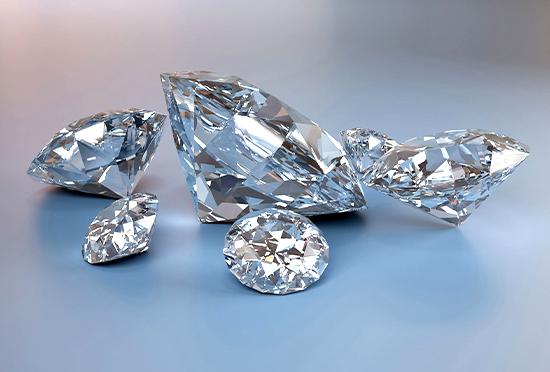
Investing in diamonds has long been considered a symbol of wealth and stability. Unlike traditional investments like stocks or bonds, diamonds are tangible assets that can retain value over time. However, diamond investment requires careful consideration, as factors such as quality, certification, and market demand play crucial roles in determining profitability. This comprehensive guide explores the benefits, risks, and strategies for successfully investing in diamonds.
Why Invest in Diamonds?
1. Tangible Asset with Intrinsic Value
Diamonds are physical assets that are not tied to the fluctuations of financial markets. Unlike paper investments, diamonds can be held, stored, and even worn, providing both aesthetic and financial value.
2. Hedge Against Inflation
Historically, diamonds have maintained their value over time, making them a good hedge against inflation. As fiat currencies lose purchasing power, hard assets like diamonds tend to appreciate.
3. Global Demand and Scarcity
Diamonds are rare, especially high-quality ones. With increasing demand from emerging markets like China and India, their value is expected to rise over the long term.
4. Portability and Privacy
Unlike real estate or gold bars, diamonds are highly portable and easy to store securely. They also offer privacy, as transactions can be conducted discreetly.
Understanding the 4 Cs of Diamond Quality
Before investing, it’s crucial to understand the Four Cs:
1. Carat (Weight)
The carat measures a diamond’s weight, not its size. Larger diamonds are rarer and command higher prices per carat.
2. Cut (Proportions & Brilliance)
A well-cut diamond reflects light beautifully, increasing its value. The GIA grades cut quality from Excellent to Poor.
3. Color (Graded D to Z)
The most valuable diamonds are colorless (D-F). Fancy colored diamonds (pink, blue, etc.) can be even more valuable due to rarity.
4. Clarity (Inclusions & Blemishes)
Clarity ranges from Flawless (FL) to Included (I3). Fewer inclusions mean higher value.
Certification: The Key to Authenticity
Always buy diamonds certified by reputable labs like:
- GIA (Gemological Institute of America)
- IGI (International Gemological Institute)
- HRD (Hoge Raad voor Diamant)
Certificates verify authenticity and quality, ensuring you pay a fair price.
Types of Diamond Investments
1. Loose Diamonds
The most common investment, allowing flexibility in resale. Focus on high-quality (D-F color, VVS+ clarity) stones.
2. Diamond Jewelry
While jewelry holds sentimental value, its resale value is often lower due to craftsmanship costs.
3. Fancy Colored Diamonds
Rare colors like pink, blue, and red can appreciate significantly. The Pink Star Diamond sold for $71.2 million in 2017.
4. Diamond Funds & ETFs
For indirect exposure, some funds invest in diamond mining companies or hold physical diamonds.
Risks of Diamond Investing
1. Lack of Liquidity
Diamonds are not as liquid as gold or stocks. Selling may take time unless priced below market value.
2. Price Transparency Issues
Unlike stocks, diamond prices are not publicly listed, making valuation complex.
3. Certification & Fraud Risks
Synthetic or treated diamonds can be misrepresented. Always buy from trusted dealers.
4. Market Fluctuations
Economic downturns can reduce demand for luxury goods, affecting diamond prices.
How to Buy Diamonds for Investment
1. Research Reputable Dealers
Choose established sellers with GIA-certified stones.
2. Focus on Quality Over Quantity
A single high-grade diamond is better than multiple low-quality ones.
3. Consider Long-Term Holding
Diamonds appreciate over decades, not months.
4. Store Securely
Use bank safety deposit boxes or insured storage.
Selling Your Diamond Investment
1. Auction Houses (Sotheby’s, Christie’s)
Best for rare, high-value diamonds.
2. Diamond Exchanges & Private Buyers
Offers quicker sales but may yield lower returns.
3. Online Marketplaces
Platforms like James Allen or Blue Nile facilitate private sales.
Conclusion: Is Diamond Investment Right for You?
Diamond investing can be profitable but requires expertise and patience. By focusing on certified, high-quality stones and understanding market dynamics, investors can build a valuable portfolio. While not as liquid as gold, diamonds offer unique advantages for long-term wealth preservation.